Color Explosion Overlays: A Vibrant Pack for Bold Design
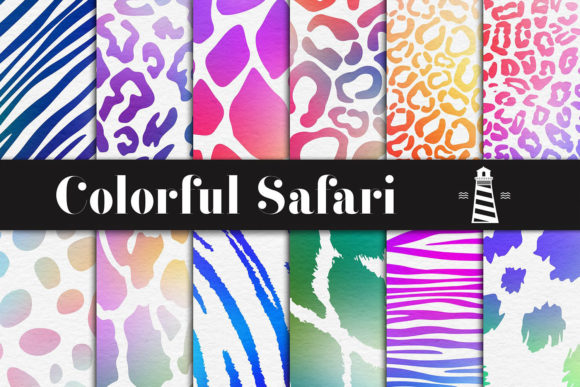
Sometimes a project needs more than a clean background; it needs energy, texture, and a focal point that grabs attention immediately. This is where the Color Explosion Overlays pack comes into play. It’s not a traditional typeface or a simple graphic element; it is a collection of 12 distinct visual assets designed to inject life into your work. These overlays feature a dynamic blend of watercolor paper textures and bold animal prints, offering a raw, artistic feel that digital-only designs often lack. For any creative professional looking to break away from flat, sterile visuals, this pack provides the necessary spark.
Understanding the Visual Character
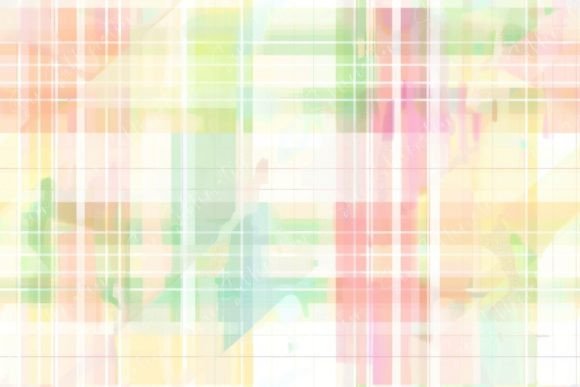
The core appeal of the Color Explosion Overlays lies in their tactile quality. Each of the 12 files is rendered at 300 dpi on a 12x12 inch canvas, ensuring that the grain of the watercolor paper texture is visible even in print. This isn't just a digital effect; it mimics the organic feel of physical media. The animal print patterns—think leopard spots, zebra stripes, and tiger roars—are rendered in a loose, expressive style rather than a rigid geometric one. This gives them a personality that is wild yet sophisticated, making them versatile for both playful and high-end applications.
The color palette is intentionally saturated. While the base textures provide an earthy, neutral undertone, the overlays themselves are designed to pop. This contrast is what makes them effective for logo design or packaging design where standing out on a shelf is crucial. However, because they are overlays, they can be manipulated. You can adjust the opacity, blend modes, and saturation to fit a more muted brand identity or a vibrant, loud campaign. The files are provided in both PNG and JPEG formats, giving you flexibility depending on whether you need transparency for layering or a solid background for direct printing.
Practical Applications for Modern Creators
For the entrepreneur or small business owner, the utility of these design assets extends far beyond simple decoration. In editorial design, for instance, a faint, desaturated version of an overlay can serve as a textured background for a magazine spread, adding depth without distracting from the body text. For web design, these files are excellent for hero sections or blog headers where a standard stock photo feels too generic. A blogger covering lifestyle, fashion, or travel topics could use these overlays to create a cohesive visual theme across their site, ensuring their content feels curated and intentional.
The pack is also perfectly suited for physical products. If you are involved in packaging design for a boutique brand—perhaps a candle maker, a cosmetics line, or a gourmet food producer—these overlays can be printed directly onto labels or wrapping paper. The high resolution ensures that the watercolor texture remains crisp, adding a handcrafted feel to the final product. Similarly, for event planners or stationery designers, the overlays are ideal for creating unique invitations, greeting cards, and gift wrapping. The animal print motif adds a touch of personality that generic patterns often miss, helping to create a memorable experience for the recipient.
Integrating Overlays into Your Brand Strategy
Using Color Explosion Overlays effectively requires a bit of strategic thinking. As a premium font or asset is chosen for its specific voice, these overlays should be selected when your brand voice is energetic, creative, or bold. They work exceptionally well in social media graphics where scroll-stopping power is essential. A Instagram post or a Pinterest pin featuring a vibrant animal print background with bold typography layered on top is far more likely to engage an audience than a standard solid color background. This is particularly true for industries like fashion, fitness, or creative arts, where visual dynamism is part of the product appeal.
When considering font pairing, think about contrast and readability. Because the overlays are visually complex, the typeface you pair with them should be clean and legible. A bold, geometric sans serif font often works best for headlines, providing a modern, sturdy counterpoint to the organic texture of the overlay. For body text or supporting information, a simple serif font can add a touch of elegance without competing for attention. Avoid overly decorative script fonts or handwritten fonts for main copy, as they can become difficult to read against the intricate patterns of the animal print. The goal is to create a visual hierarchy where the overlay supports the message, rather than obscuring it.
Final Considerations for Designers and Marketers
Before finalizing a project with these overlays, it is wise to conduct a few tests. If you are using them for digital assets, check how they render on different screen sizes and resolutions. A pattern that looks stunning on a desktop monitor might become muddy or overwhelming on a small mobile screen; in such cases, reducing the opacity or using a cropped section of the overlay can solve the issue. For print projects, always request a proof. The interaction between the digital file and the physical paper stock can alter the appearance of the watercolor texture and the vibrancy of the colors. Ensure that the paper finish—matte, gloss, or satin—complements the artistic style of the overlay.
Ultimately, the Color Explosion Overlays pack is a versatile addition to any designer's toolkit. It bridges the gap between digital precision and organic artistry, offering a way to add texture and personality to a wide range of projects. Whether you are designing a website, creating a brand identity, or crafting a physical product, these assets provide a foundation for work that feels both professional and deeply creative. By understanding their strengths and applying them thoughtfully, you can elevate your designs and connect with your audience on a more visceral level.