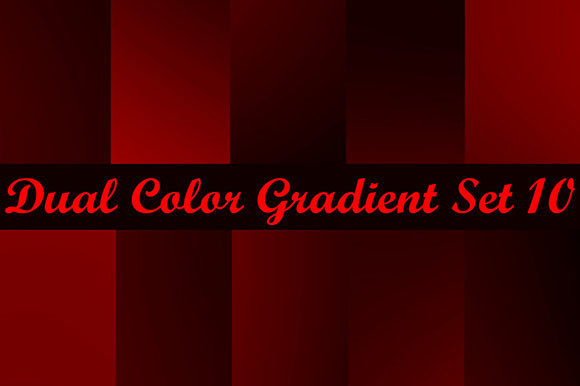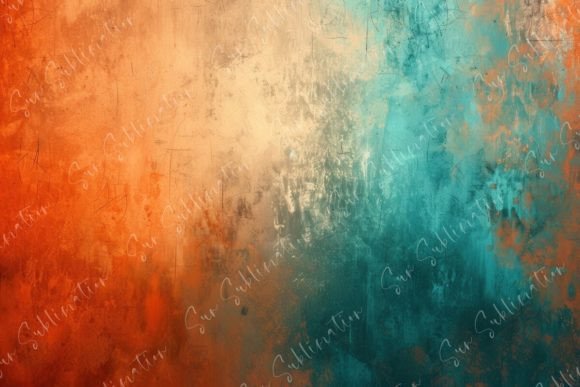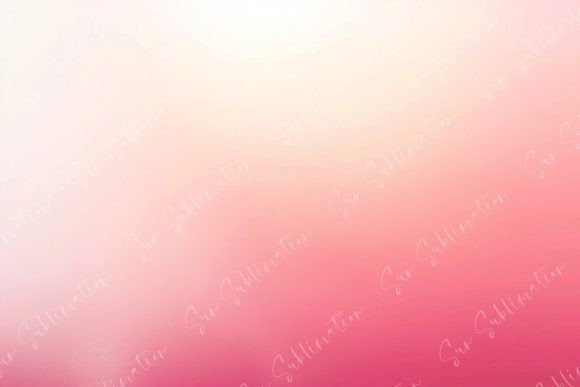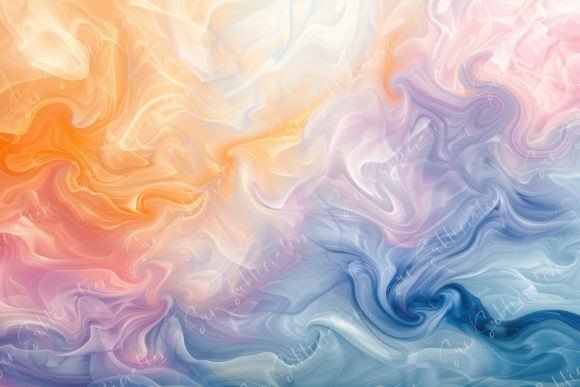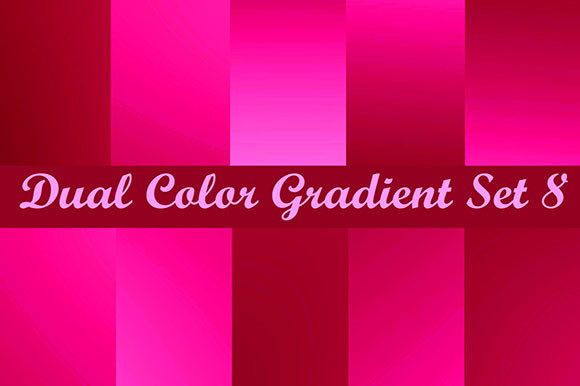
Dual Color Gradient Set 8: Your New Secret Weapon for Visual Depth
When you are working on a project that needs to feel polished and contemporary, flat colors often fall short. There is a specific kind of richness that comes from a smooth transition between two hues—a visual texture that feels expensive and intentional. This is exactly where the Dual Color Gradient Set 8 enters the conversation. It is not just a collection of pretty colors; it is a set of ten high-quality, 3000x3000 pixel backgrounds designed to add instant dimension to your creative work. Whether you are a digital planner creator looking for a fresh aesthetic or a small business owner designing social media assets, these backgrounds provide a versatile foundation that bridges the gap between amateur graphics and professional brand identity.
Understanding the Visual Language of Gradients
Before diving into specific applications, it helps to understand the personality of the Dual Color Gradient Set 8. Unlike the garish, neon gradients of the early 2000s, modern gradients are about subtlety, depth, and mood. This particular set features dual-tone transitions, meaning you get a clean, uncluttered shift from one color to another without the chaos of a rainbow spectrum. The visual appeal here lies in the "breathing room" these backgrounds offer. They are dynamic enough to catch the eye but calm enough to let your content—whether that is typography, photography, or illustration—take center stage.
The style of these backgrounds leans heavily into modern typography trends. We are seeing a resurgence in gradient usage across major tech brands and lifestyle companies because gradients evoke emotion. A warm peach-to-cream transition feels inviting and soft, ideal for lifestyle blogs or wellness brands. A cool teal-to-navy shift feels authoritative and tech-forward, perfect for a startup or a web design portfolio. The Dual Color Gradient Set 8 captures this spectrum of emotion, offering you a toolkit to set the tone of your project before a single word is read.
Why Resolution and Format Matter for Your Assets
In the world of digital assets, technical specifications often determine versatility. The Dual Color Gradient Set 8 comes in at a robust 3000x3000 pixels with a resolution of 300 dpi. To the non-designer, these might just be numbers, but for a professional, they represent freedom. A 300 dpi resolution means these backgrounds are not limited to screen use; you can confidently use them for high-quality print design. Imagine printing a large format poster or a set of premium wedding invitations. Low-resolution images will pixelate and look blurry, instantly cheapening your brand. With this set, the sharpness holds up, ensuring your packaging design or physical marketing materials look as crisp as they do on your monitor.
The JPEG format ensures broad compatibility. You can drop these files into almost any software—from Adobe Photoshop and Illustrator to Canva and Procreate—without conversion headaches. However, it is important to note the non-seamless nature of these files. Because they are distinct compositions rather than repeating tiles, they function best as standalone backgrounds for single-page layouts, cards, or digital screens, rather than wrapping textures for 3D objects. This distinction is crucial for maintaining a professional look; you want the gradient to look like a deliberate artistic choice, not a repeating pattern glitch.
Practical Applications: From Screen to Print
So, how do you actually use the Dual Color Gradient Set 8 in your daily workflow? The applications are surprisingly vast. For the graphic designer or marketer, these assets are a lifesaver for social media graphics. Platforms like Instagram and LinkedIn are saturated with static imagery. By using a gradient background behind a bold sans serif font, you create an immediate focal point that stops the scroll. It adds a layer of professionalism that stock photos often fail to provide because it doesn't distract from your text.
For those in the publishing space, specifically editorial design or digital magazines, these gradients work beautifully as chapter title pages or pull-quote backgrounds. They break up the monotony of text-heavy layouts, offering the reader's eye a moment of rest. If you are a blogger, consider using these as the background for your featured images. It creates a cohesive, branded look across your site without needing to source a new photo for every single post. It simplifies your content creation process while elevating your aesthetic consistency.
Scrapbooking and invitation design are other areas where this set shines. In the realm of paper crafts, finding a background that doesn't overpower embellishments is difficult. The smooth transition of a dual-color gradient provides a lush backdrop that makes paper cutouts and photos pop. Because the resolution is high enough for print, you can create beautiful, custom stationery that feels store-bought. It is a practical way to add a "premium" feel to personal projects without the premium price tag of custom printing services.
Strategic Design: Integrating Gradients into Brand Identity
When we talk about brand identity, we are talking about the sum of all visual parts. A gradient is not just a background; it is a strategic tool for visual hierarchy. In web design, for example, a gradient background can guide the user's eye toward a specific call-to-action (CTA). If you place a white button on a darkening gradient, the natural flow of the eye will follow the color shift toward that button. This is a subtle psychological nudge that can improve engagement rates.
Choosing the right gradient from the set requires evaluating the personality of your brand. If your brand voice is energetic and youthful, look for the higher-contrast options in the Dual Color Gradient Set 8. If your brand is more about luxury and calm, opt for the monochromatic or analogous color shifts (colors that sit next to each other on the color wheel). This alignment ensures that every piece of content you produce reinforces the same message.
Pairing Typography with Gradient Backgrounds
One of the most common questions regarding gradient backgrounds is, "What font do I use?" The background you choose from the Dual Color Gradient Set 8 will dictate your typography choices. Because gradients inherently have a lot of visual movement, they pair best with clean, legible typefaces. A premium font that is a sans serif font or a simple serif font usually works best for body text. You want high contrast; if the gradient is dark, use white or light cream text.
However, you can use script fonts or handwritten fonts for headlines, provided the gradient area behind the text is relatively calm. If the color shift happens right in the middle of your headline, it might make the text difficult to read. A pro tip is to use the gradient as a full background, but place your text in the area where the color is most uniform, or place a semi-transparent shape (like a white box at 80% opacity) behind your text to ensure readability. This allows you to enjoy the beauty of the creative font and the gradient without sacrificing legibility.
Maximizing Your Investment in Design Assets
Treating the Dual Color Gradient Set 8 as a core component of your design library rather than a one-off purchase will give you the best return. When you evaluate a project for fit, look at the "temperature" of the existing design elements. Do your product photos have cool lighting? Use the blue/purple gradients. Are you promoting a summer sale? The warm sunset tones will complement your marketing message.
Don't be afraid to manipulate these assets. While they look great out of the box, a quick adjustment in your editing software can change the mood entirely. Try overlaying a texture at a low opacity to create a "grainy" film look, which is very popular in modern typography and poster design. You can also mirror or flip the gradients to fit the composition of your layout. Since these are high-resolution design assets, they can withstand cropping and resizing for different platforms, from a narrow Instagram Story to a wide Facebook cover photo.
Ultimately, the value of the Dual Color Gradient Set 8 lies in its ability to solve the "blank canvas" problem. It provides a professional starting point that elevates the entire project. By integrating these backgrounds into your workflow, you ensure that your logo design presentations, your social media graphics, and your digital planners all possess a cohesive, high-quality aesthetic that builds trust with your audience.