Exploring the Vibrant World of LGBTQ+ Watercolor Illustration Color
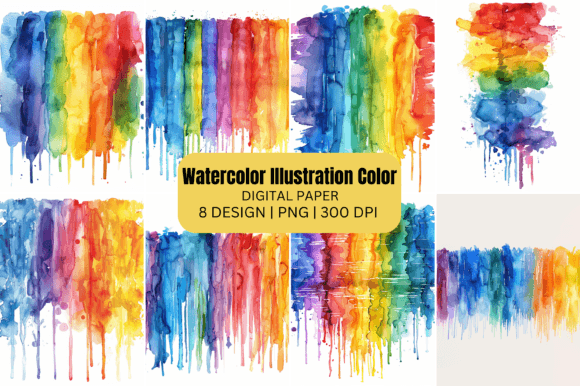
When you first encounter the LGBTQ+ Watercolor Illustration Color design assets, it’s not just a set of digital papers—it’s a mood. This collection captures the fluidity and vibrancy of the pride flag through a medium that feels inherently organic and artistic: watercolor. As a designer or creative professional, you know that texture is often the missing link between a flat concept and a tactile experience. These illustrations bridge that gap, offering a blend of digital precision and hand-painted warmth.
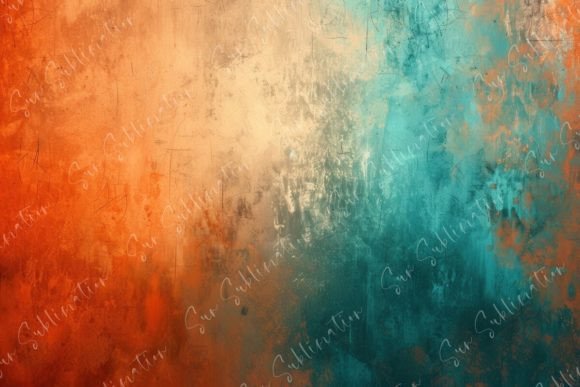
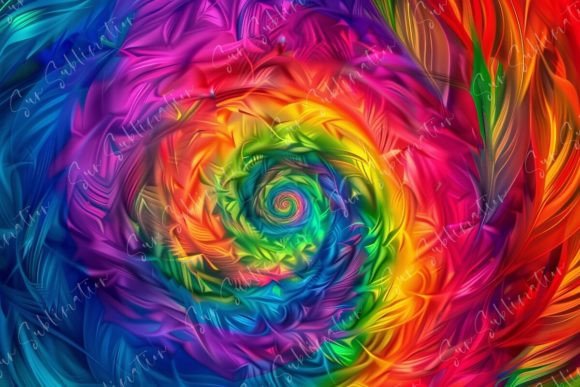
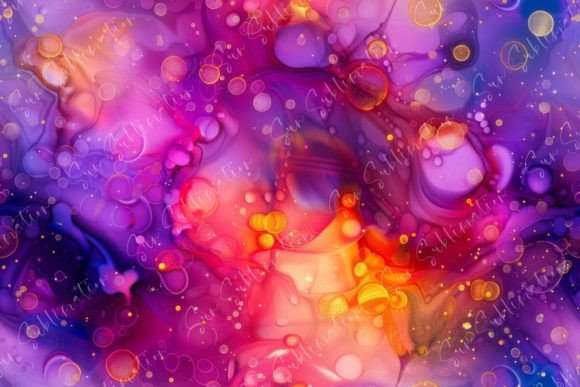
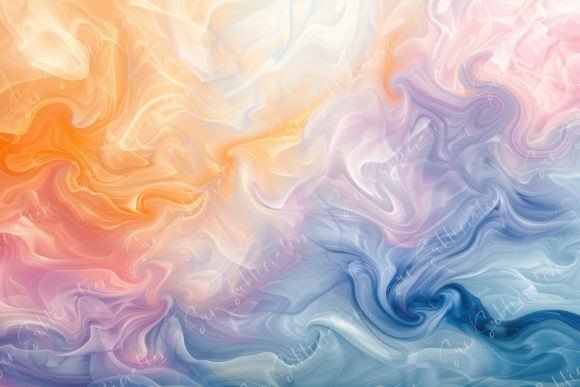
The visual character of this collection is defined by its soft edges and the way colors bleed into one another, mimicking real pigment on wet paper. Unlike the harsh lines of vector graphics, these watercolor textures introduce a level of unpredictability that feels authentic. The palette naturally encompasses the full spectrum of the rainbow, but it does so with the subtlety of light refraction rather than solid blocks of color. This makes the LGBTQ+ Watercolor Illustration Color set incredibly versatile. It doesn't scream for attention in a way that clashes with other elements; instead, it provides a rich, layered background that supports the foreground content.
Practical Applications for Modern Creators
Understanding the technical specifications is crucial for integrating these assets into your workflow. The files are provided as high-resolution PNGs—specifically 4096 x 4096 pixels at 300 DPI. For the uninitiated, this means you have a square canvas that translates perfectly to physical products without pixelation. Whether you are working on a small mug design or a large poster, the integrity of the image holds up. This high resolution is a non-negotiable requirement for professional printing, and the inclusion of individual PNG files allows for easy layering in software like Adobe Photoshop, Illustrator, or even Canva.
One of the most immediate use cases for these digital papers is in the realm of packaging design and product creation. If you are a small business owner looking to launch a limited-edition product line for Pride Month, these textures are invaluable. Imagine printing these designs onto tote bags, t-shirts, or greeting cards. The watercolor effect adds a premium feel to merchandise, suggesting that each item was crafted with care. For sublimation printing, where ink becomes part of the fabric, these high-quality files ensure that the gradients remain smooth and the colors pop against the material.
Beyond physical products, the digital application is equally powerful. In web design and social media graphics, backgrounds often need to be interesting enough to catch the eye but subtle enough not to distract from the text overlay. The LGBTQ+ Watercolor Illustration Color files serve this exact purpose. They can be used as hero images for blog headers or as textured overlays for Instagram stories. Because the files are large, you can crop into them to find unique compositions, effectively turning one digital paper into multiple distinct backgrounds for a cohesive but varied brand identity.
Strategic Design and Brand Perception
Choosing the right assets is about more than just aesthetics; it is a strategic decision that influences how your audience perceives your brand. Incorporating the LGBTQ+ Watercolor Illustration Color into your visual language sends a clear signal of inclusivity. However, the style in which you do it matters. Watercolor is often associated with creativity, gentleness, and artisanal quality. By using this specific style, you are softening the message, making it feel approachable and emotional rather than corporate or performative. This is a subtle but powerful way to connect with a diverse audience on an emotional level.
When working with such vibrant and textured backgrounds, visual hierarchy becomes your primary tool for readability. You cannot simply drop a thin, light-colored font over a busy watercolor rainbow and expect it to be legible. As a professional, you need to manage the contrast. A common technique is to use a semi-transparent overlay—perhaps a white shape with 80% opacity—behind your text. This allows the watercolor texture to peek through while ensuring your message remains the focal point. Alternatively, pairing these backgrounds with bold, dark typography creates a striking contrast that anchors the design.
Consider the font pairing strategy when using these illustrations. Because the background is organic and flowing, it pairs exceptionally well with structured sans serif fonts or sturdy serif fonts. The clean geometry of a modern sans-serif typeface creates a pleasing tension against the loose watercolor strokes. Conversely, if you are aiming for a more whimsical, celebratory tone, a script font or handwritten font can complement the watercolor style, though you must ensure the x-height and weight are sufficient to stand out against the colorful backdrop.
Integrating Assets into Your Creative Workflow
For content creators and marketers, consistency is key. One of the challenges of using stock imagery is finding a set that feels cohesive. Since these six individual files are designed as a collection, they share the same color grading and brush stroke style. This allows you to maintain a consistent visual thread across a multi-page document, a series of social media posts, or a set of marketing materials. You can use one file for the background of a flyer and another for the cover of a digital catalog, knowing that they will speak the same visual language.
It is also worth noting the flexibility of the file dimensions. The square aspect ratio (13.65 x 13.65 inches) is particularly friendly for social media platforms like Instagram. However, the "digital paper" format implies that these are meant to be tiled or cropped. If you need a vertical banner for a website or a horizontal header for an email newsletter, the high resolution allows you to crop significantly while still maintaining that crucial 300 DPI quality for print, or 72 DPI optimized quality for web.
Ultimately, the value of the LGBTQ+ Watercolor Illustration Color set lies in its ability to humanize digital projects. In an era where much of our design work can feel sterile or overly algorithmic, introducing organic textures helps to create a sense of warmth and inclusivity. Whether you are designing a wedding invitation, a corporate diversity report, or merchandise for a community event, these assets provide the perfect balance of professional quality and artistic flair.