Minimalist Color Block: A Fresh Approach to Modern Design
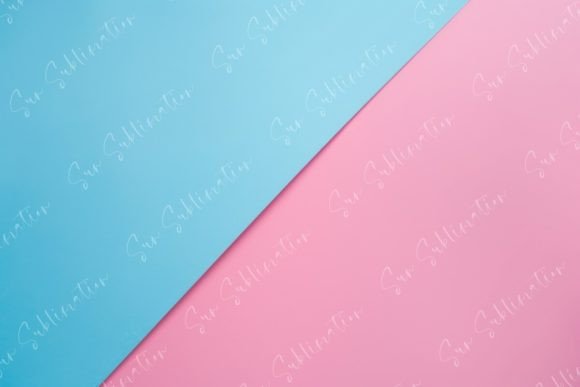
There’s a certain power in simplicity. In a world saturated with complex visuals and noisy graphics, a clean, bold approach can cut through the clutter. This is the core idea behind Minimalist Color Block. It’s not a font, but a design philosophy captured in a single, versatile digital asset. Imagine a composition built on a gentle diagonal split, dividing the canvas into two fields of soft, pastel color—light blue meeting pink in a seamless transition. This asset is a foundational element, a starting point for building sophisticated and contemporary projects.
The Visual Personality and Appeal
At its heart, the Minimalist Color Block is about balance and harmony. The diagonal line introduces dynamic energy and movement, preventing the composition from feeling static or flat. Yet, the use of pastel tones ensures the overall feeling remains calm, approachable, and refined. This combination creates a unique personality: it feels both professional and inviting, structured yet soft. It’s a visual representation of modern minimalism, where every element serves a purpose and negative space is as important as the filled space.
This style resonates because it aligns with current trends in modern typography and branding. It provides a backdrop that is inherently stylish without being distracting. The pastel palette is versatile, evoking feelings of clarity, creativity, and gentle optimism. For designers, it offers a ready-made color story that is both trendy and timeless, avoiding the pitfalls of overly saturated or complex color schemes.
Where This Asset Truly Shines
The applications for a Minimalist Color Block composition are vast, spanning both digital and print landscapes. Its strength lies in its adaptability as a background or a key graphic element.
- Brand Identity & Logo Design: Use it as the foundational texture for a brand’s visual system. It can serve as a website hero background, a presentation slide backdrop, or the basis for a logo mark, instantly conveying a sense of modern, clean aesthetics.
- Editorial & Packaging Design: For magazines, lookbooks, or product packaging, this asset provides a sophisticated setting for text and imagery. It allows serif fonts and sans serif fonts to stand out with clarity, enhancing visual hierarchy and readability.
- Digital Presence: In web design and social media graphics, it’s invaluable. It can create cohesive Instagram grids, eye-catching Pinterest pins, or elegant website banners that align with a minimalist brand identity. The high-resolution format ensures it looks sharp on all screens.
- Marketing & Content Creation: Entrepreneurs and marketers can use it to quickly create professional-looking ads, email headers, or blog post featured images. It acts as a premium design asset that elevates content without requiring advanced design skills.
For crafters and hobbyists, it offers a beautiful base for digital invitations, mood boards, or printable art. The immediate download and high-quality JPEG format make it a practical tool for both quick projects and high-stakes commercial work.
Making It Work: Practical Integration Tips
Simply having a great asset is only half the battle. Knowing how to integrate it effectively is what separates good design from great design. Here’s how to leverage the Minimalist Color Block to its full potential.
Choosing and Evaluating the Fit
Before diving in, consider your project’s core message. Does it call for a calm, professional, and contemporary feel? If your brand or project deals with wellness, creativity, technology, or lifestyle, this aesthetic is a strong match. It’s less suited for projects requiring a rugged, vintage, or intensely vibrant energy. Always evaluate the asset against your existing brand identity guidelines—does it complement or clash?
Font Pairing and Typography
This is where the magic happens. The clean background is a playground for typography. For maximum contrast and readability, pair it with a strong, geometric sans serif font for headlines. Think of typefaces like Futura, Montserrat, or Helvetica Neue. For body text or a touch of elegance, a clean serif font like Lora or Playfair Display can work beautifully. Avoid overly ornate script fonts or handwritten fonts for primary text, as they can become lost against the color fields. Instead, use them sparingly for accents or quotes.
Testing and Refinement
Always test your design in context. Place your logo, text, and other graphics on top of the color block. Check the contrast—ensure your text is legible at various sizes. View it on different devices if it’s for digital use. For print, remember the critical note: the colors you view on screen will vary from the actual printed product. If exact color matching is vital, consider ordering a physical proof or using a Pantone color guide to select complementary inks.
Leveraging Commercial Licensing
This asset is a commercial font-free resource, meaning you are purchasing the graphic itself, not a typeface. However, understanding the license is crucial. The provided license likely covers personal and commercial use in your final designs, but you cannot resell the asset file itself. Always review the specific license terms included with your download to ensure your intended use—whether for a client’s logo, a product for sale, or a personal blog—is fully covered. This due diligence protects you and respects the creator’s work.
In the end, the Minimalist Color Block is more than just a pretty picture. It’s a strategic tool for creating cohesion, professionalism, and visual appeal. By understanding its personality and applying it thoughtfully, you can harness its quiet power to make your projects stand out with understated confidence.