Dynamic Visuals: The Impact of Vivid Color Smoke
When a design calls for immediate energy, a static background often falls flat. We need elements that convey motion and emotion before the viewer even processes the text. This is where the power of abstract imagery, specifically the Vivid Color Smoke concept, becomes a game-changer for creative professionals. It is not just a background; it is a statement of vibrancy and modern style.
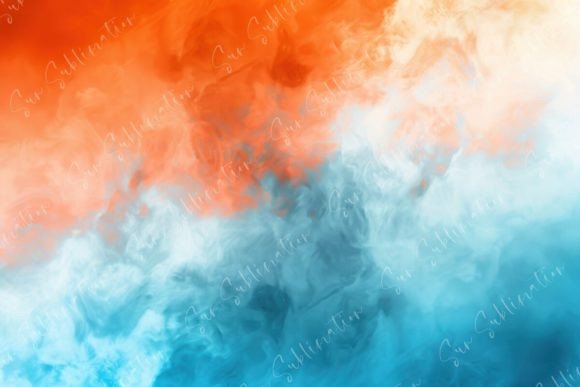
The specific image described—a 4500 x 3000 pixel JPEG featuring swirling orange and blue clouds—offers a unique psychological interplay. Orange brings warmth, enthusiasm, and creativity, while blue offers stability, depth, and trust. When these colors merge in a fluid, smoky texture, the result is a dynamic atmosphere that feels both energetic and professional. It captures the essence of a sunset meeting the ocean or fire interacting with ice, creating a perfect balance for brand identity projects that want to stand out without looking chaotic.
Strategic Applications for Modern Creators
For designers and marketers, the utility of a high-resolution asset like this extends far beyond simple decoration. At 300 dpi, this file is ready for heavy lifting in both digital and physical realms. Here is how different professionals can leverage this specific aesthetic:
- Logo Design and Brand Identity: Use the smoke as a background texture for a logo presentation. It adds a layer of sophistication and helps the logo pop, especially if the logo uses clean sans serif or serif letterforms.
- Social Media Graphics: Platforms like Instagram and LinkedIn are saturated with flat colors. A swirling, abstract background creates an immediate visual hierarchy, drawing the eye to your headline or call to action.
- Web Design: This image works beautifully as a hero section background. It sets a mood of innovation and is particularly effective for tech startups, creative agencies, or event landing pages.
- Packaging and Editorial Design: In print, texture is king. This smoke effect can serve as a wrap for product packaging or a feature page in a magazine, adding depth that flat colors cannot achieve.
The key to using Vivid Color Smoke effectively is contrast. Because the background is rich and detailed, the foreground typography needs to be clean and legible. A bold, white display font often works best here, ensuring the message isn't lost in the visual noise.
Navigating Color Fidelity and File Quality
One of the most practical aspects of working with this specific asset is understanding its technical specifications. The listing notes that the file is a JPEG without a watermark, sized at 4500 x 3000 pixels with a resolution of 300 dpi. For a creative professional, this is the gold standard for design assets.
The 300 dpi resolution ensures that the image remains crisp and clear when printed. Whether you are creating a large-format banner for a trade show or a high-quality brochure, you will not see pixelation. The generous pixel dimensions (4500 x 3000) provide ample room for cropping. You can zoom in on a specific section of the swirl to create a tighter texture, or use the full panoramic width for a website header.
Managing Monitor Discrepancies
A crucial detail provided in the product description is the disclaimer regarding color variation between screens and print. This is a standard reality in modern typography and design. Monitors use RGB (Red, Green, Blue) light, which is additive, while printers use CMYK (Cyan, Magenta, Yellow, Key/Black) ink, which is subtractive.
The vibrant neon-like quality of the orange and blue in the digital file may appear slightly more muted or shifted when printed on paper. As a designer, you should always perform a test print or request a proof before committing to a large production run. This ensures the "dynamic atmosphere" you see on your laptop translates effectively to the physical product.
Integrating Abstracts with Typography
The relationship between an abstract background and the text placed over it is critical. When using a premium font or commercial font over a busy background like swirling smoke, you need to employ specific strategies to maintain readability.
- The Overlay Technique: Place a semi-transparent dark or light shape behind your text to separate it from the background. This allows the smoke texture to remain visible while ensuring the text is legible.
- Font Choice Matters: Avoid highly intricate script fonts or thin handwritten fonts over complex smoke textures. Instead, opt for geometric sans serif fonts with medium to bold weights. These shapes are distinct enough to cut through the visual complexity.
- Color Picking: Use a color picker tool to sample a color directly from the smoke image—perhaps a deep navy blue or a bright tangerine—and use that for your text. This creates a cohesive font pairing and color palette that feels intentional.
Ultimately, Vivid Color Smoke is more than just a pretty picture; it is a versatile tool for visual storytelling. By understanding the technical specs and applying solid design principles, you can transform this single image into a foundation for countless compelling projects, from digital ads to physical merchandise. It is about harnessing that energy and directing it to serve your specific creative goals.